

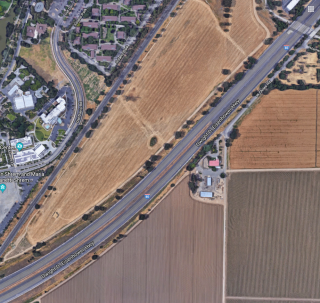
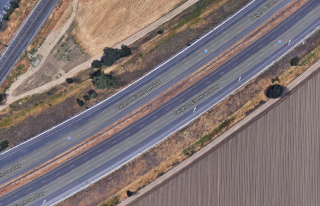
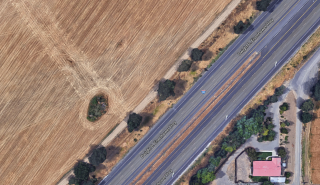
 In a recent letter to the editor in the Enterprise, Bill Wagman asks, "What is the difference [between Nishi and Olive Drive] and why do there seem to be no concerns voiced about Olive Drive. Or are there concerns which have not been made public?"
The answer is: It is possible that there are health concerns at other near–freeway sites such as Olive Drive. Peer-reviewed studies have found elevated health risks at many near-freeway sites. But the Nishi is of particular concern because it is adjacent to where the freeway goes from six lanes to three lanes, and so there are often backups on that portion of I-80, especially during weekend Tahoe traffic. More backups mean more car and truck braking. Braking releases ultrafine particulate matter into the air, and that causes health risks such as an increased risk of ischemic heart disease, an increased risk of lung damage, an increased risk of cancer, and an increased risk of developmental problems.
Also, Nishi is of particular concern because the freeway is elevated next to Nishi, so the pollutants travel further, as peer-reviewed studies of similar sites have shown.
Personally, I would be in favor of testing both at Nishi and at other near-freeway sites. (The developers have refused to do on-site testing at Nishi, even though they have spent more than three times the amount that tests would have cost just to promote "yes" votes on the project). But even if all the near-freeway sites turned out to be harmful, I don't think think that our past mistakes should justify future ones.

 Davisite
Leave a comment