

 By Alan ‘Lorax” Hirsch
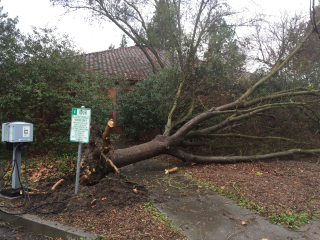
Tuesday item 7 before council is the first public discussion about the up-to-now hidden part of city structural deficit; the underfunding of tree pruning/sustainability program. This underfunding has not only made our parks, bikeways and streets less safe, but also added to our structural deficit by ballooning city’s insurance premiums. This is on top of our city’s financial deficit issues that Elaine Roberts Musser and Dan Carlson have written about so elegantly on this blog and elsewhere.
+++
What if your long time HMO revealed they had- without your knowledge – reduced the dose of your heart medication by 50% to cut costs- and done this secretly for over 12 years.
That is what the city’s memo on Trees for Tuesday 8/19 council packet revealed; they state instead of a 7-year safety pruning cycle for front yard street and park tree they had in fact a longer a 12–14-year cycle.
This is consistent with fact a woman died in Slide Hill Park in 2021 by a tree the city had neglected to inspect and prune. The city staff knew this funding shortfall for years (the previous Arbor would tell anyone) but this fact only seems to have been admitted to the public by staff and council now the previous city manager has moved on.
But this mis where we are now: think of the embarrassment if HMO disclose an increased cost of malpractice insurance now exceed the saving from those medicine dosage cuts? In city’s case, its liability insurance increase– due to the $24 million dollar Slide Hill Park tree death settlement.
But this is part of a larger picture about the strategic mismanagement of the city tree program, as I will describe below.



 Davisite