Back in December 2020, some members of the successful 2020 No on DISC campaign got together and articulated what they felt was a new and better vision for Davis. With the apparent defeat of DiSC 2022 as Measure H, currently showing a 63.52% "No" vote, I thought I would pull it out again. I think our vision and much of what we wrote here remains pertinent , including an all-too-prescient prediction that:
"the developers will try to bring back DISC with minor changes and spend another quarter of a million dollars in the hopes of gaining just enough new votes to change the outcome of the election. What the election vote shows is that such an attempt would be a mistake. The project proposal was fundamentally flawed and a few more bells and whistles wouldn’t change that."
We did not, however, expect that the developer would spend significantly more than half a million dollars, and still lose. It is to Davisites' credit that we still saw that this was a bad project delivered through a bad process (including an inappropriate developer-funded lawsuit, spearheaded by a sitting Councilmember).
I hope our op-ed stimulates you to think about an alternative path for Davis.
-RLM
The Failure of Measure B Suggests a New Vision Is Needed
Originally posted December 12, 2020
https://newdavisite.wordpress.com/2020/12/12/the-failure-of-measure-b-suggests-a-new-vision-is-needed/
 By Roberta Millstein, Pam Gunnell, Nancy Price, Alan Pryor, and Colin Walsh
Measure B – the measure that proposed a 200-acre business park and housing development outside of the Mace Curve – failed at the polls. The defeat comes with official Yolo County returns showing that 16,458 people, or 52% of voters, said “no” to the project. In Mace Ranch and Wildhorse, 60% of voters opposed the project.
This is a remarkable result considering that the No on B campaign was outspent by over 14 to 1. As of October 28, Yes on B had spent $258,919 between when B was put on the ballot in July and the election in November, while No on B had spent $18,149. The No on B campaign, composed solely of volunteer Davis citizens, created its own literature, designed its own sign and other graphics, was active on social media, and, to the extent possible during COVID, pounded the pavement distributing flyers to let Davisites know about the negative impacts that this project would bring. It was a true grassroots effort. There were no paid designers, no paid consultants, no multiple glossy mailers, and no push-polls to gather information on what messages would sell. Opponents also could not table at the Farmers Market due to COVID restrictions, normally the bread and butter of a campaign lacking deep pocket donors to finance getting its message out.
By comparison, Yes on B hired a PR Firm and other consultants more than a year in advance of the vote to help contrive and package its message and run the campaign.
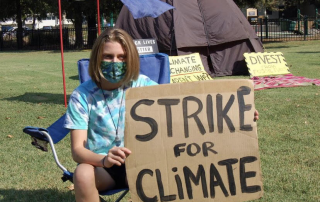
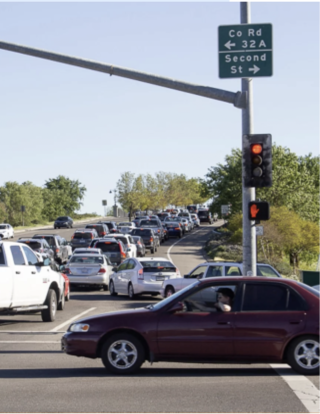
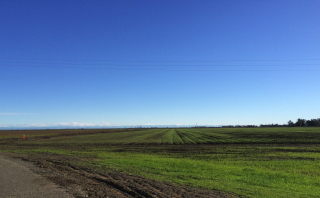
The fact that Measure B was nonetheless defeated in the face of long odds and unusual circumstances shows that DISC was a bad project for Davis from the outset. It was too big, chewing up prime farmland and habitat. The promise of on-site housing for DISC employees could not be guaranteed, making the development car-and commuter- oriented with extensive parking areas. Poor public transportation options exacerbated this problem. The DISC development would have massively increased Davis greenhouse gas emissions and made it impossible for Davis to meet its carbon neutrality goals. We are in a climate emergency, as Yolo County and other counties have recognized; Davis needs to shoulder its share of responsibility for climate impacts, including but not limited to wildfire impacts and extreme weather events locally and globally.