

By Scott Steward
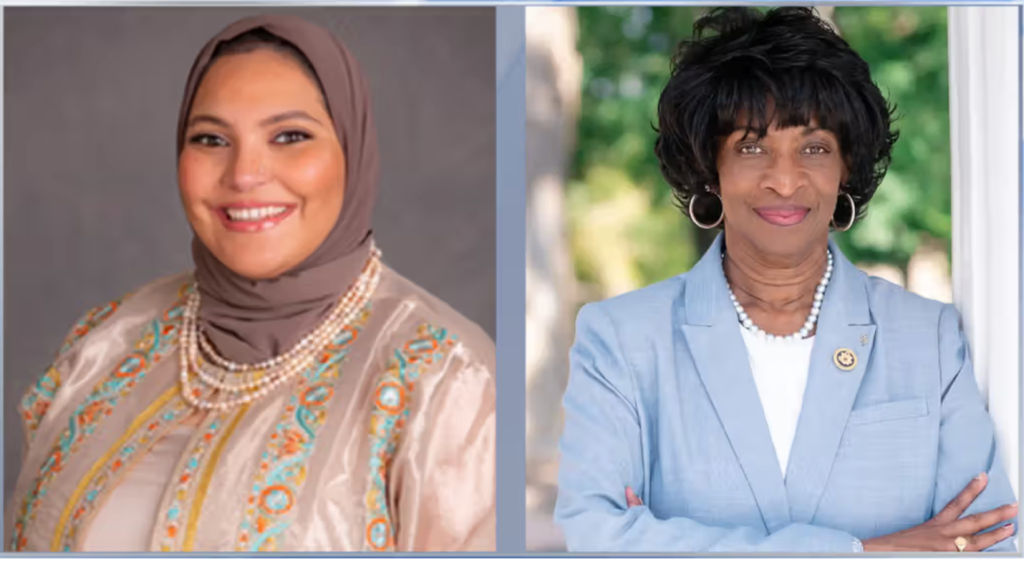
We have seen it in New Jersey and Texas, and now we will see it in North Carolina. The next bellwether primary election takes place on March 3rd; the damage of being a progressive except for Palestine (and progressive except for single-payer and except for rubber-stamping appropriations bills) may end the career of incumbent Valerie Foushee in North Carolina’s 4th Congressional District. Fourshee was a latecomer to the 2022 election, using AIPAC and Cryptocurrency donations of $2 million, knocking out the local favorite by 4,000 votes.
Nida Allam, former Vice Chair of the North Carolina Democratic Party and current Durham County Commissioner, returns with more experience and a small donation campaign budget that exceeds Fourshee’s this time around. She promises “to build a brighter future for the Research Triangle, where our democracy works for all of us, and everyone has access to a living wage, affordable healthcare, a great public education, and a livable planet.”
Unlike Allam, who rejects corporate PAC money, Foushee has historically accepted donations from pharmaceutical and health product interests and from defense contractors such as Lockheed Martin and Northrop Grumman. In 2024 and 2025, she has cast votes that align more with an establishment-centrist position than with that of a fighter.
Foushee supports expanding the Affordable Care Act (ACA), she has not championed Medicare for All. Foushee voted for the Israel Security Supplemental Appropriations Act, which provided over $26 billion in aid (all of which has been distributed), using the excuse that the Act included $1 billion in aid for Gaza (of which only a fraction has been distributed*).
The race between Allam and Fourshee brings into focus the important transition from incremental hand-wringing Democratic leadership and the energy of the next generation. Should Allam win, it will further momentum for the coalition of 6 organizations dedicated to departing from big-money politics, a coalition willing to tax bloated excess in our society so that we can afford healthcare, education, and housing.
(more…)

 Davisite