

By Marlen Garcia, Anuj Vaidya, and Juliette Beck
Yolo County has a lot at stake in how we address the climate crisis. In September 2020, the Board of Supervisors passed a visionary resolution calling for a Just Transition approach to climate action and community resilience planning. Just Transition is a critical policy framework for ensuring that historically marginalized communities are centered and empowered to actively participate in the development of climate solutions. It is deeply relevant to Yolo County, which has the deepest levels of inequality in California.
Unfortunately, Yolo County’s recent choice of a Climate Action and Adaptation Plan (CAAP) consultant team that did not include a Just Transition approach in their proposal is squandering a critical opportunity to address worsening socio-economic disparities. As members of a team that also submitted a proposal, we are intimately familiar with the process and motivated to share our concerns by a sense of moral obligation to our community and future generations.
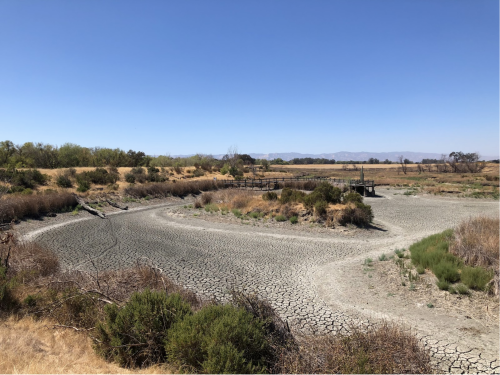
Yolo County’s houseless, BIPOC, rural communities, outdoor workers, and youth are already being hit first and worst by climate breakdown. Summer temperatures in Woodland and West Sacramento average ten degrees hotter than in greenbelt-lined Davis; air pollution has worsened along the 1-80 corridor; eviction rates have increased by 57% since last year. Alarmingly, multinational companies are mining groundwater to feed thousands of acres of perennial orchards, while small, family farms and the wetlands at the Patwin-Wintun Tending and Gathering Garden in the heart of Yolo County have gone dry.


