

 By Carey Ann Hunt
Transformation is incredible. The way we can totally count on the fact that one thing can and will turn into something else, amazing isn't? What you see now may or may not look the way that it does for long. Change is inevitable. Thankfully, transformative change is available if we choose to participate. So it is, too, with transforming wool into felt.

Sheep fiber is sheared, cleaned and carded. Carders are bristled wooden tools that essentially brush the wool. Carded wool is soft, fluffy, light and feathery. Wool in this form is called roving. Roving is airy and puffy looser than a cotton ball. In this form the individual fibers stand distanced from one another. They are easily swayed and fall apart. They tangle. In this state we can no longer use the roving to create. In order to produce strong material we must find ways of bridging the fiber divide.

First the roving is laid out in organized and even piles in the shape of whatever it is that you want to make. Once the roving is layered nicely, soap and warm water can be applied ever so gently to the fluffy roving. Once fibers are saturated with soap and water, a piece of bubble wrap can be laid carefully on top of the wool. This ensures that the wispy fibers don’t get out of position.
Next the process of compression takes place. First the bubble wrap holds the fibers into place until they are connected enough to stand on their own. Shimmery soap bubbles seep between fingers. Sunlight catches the soapy film and delights in the mere possibility of shining. Light dancing on each tiny little air pocket of moisture. Squishing into each finger crease. Like foam pockets in moving water. Flowing. Silvery blankets of suds cover the fibrous area. Binding fiber.

Hands slowly sway back and forth over the wooly surface. Smooth. Slow. Steady. Roving. Slow at first and then faster. As the fibers join up from friction. Back and forth. Rubbing. Surface of the wool changing form. Heat from warm water mixed in with soap and the warmth of the hands, full of intention and pleasure in submerging attention into mission. A mission to transform fluffy loose open wooly roving into a tighter fabric. Felting. Transforming. Joining forces. Uniting.
The more the fibers are massaged the stronger and tighter the fiber network becomes. So strong that the material can be shaped into free standing durable forms. Felt has even been used to provide shelter as the walls of yurt dwellings. One can also create a natural colored wool canvas in which dyed roving can be “painted” onto. The possibilities are endless and the artistic outcome is beautiful.

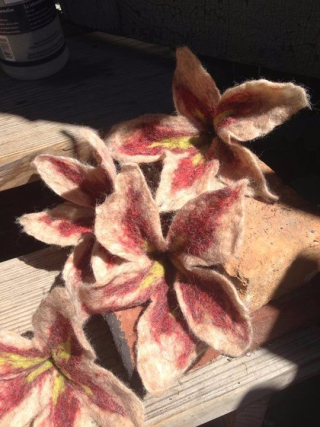
Come get your hands wet and soapy! Felting is the oldest way of creating textile. You will learn to transform wool roving into beautiful fabric using water to agitate it and force the fibers to lock making it impossible to untangle or loosen the fibers. Projects will include a decorative flower, a wool painted wall hanging, as well as whatever your imagination might spark! Students will love learning this ancient skill.
Fun with felting camps take place at the Davis Art Center. Please visit davisartscenter.org for the upcoming schedule. I also offer private felting parties upon request. Visit www.kieryn.me for additional contact information. And, if you are on Facebook, please like Kieryn to see more felted and artistic creations. 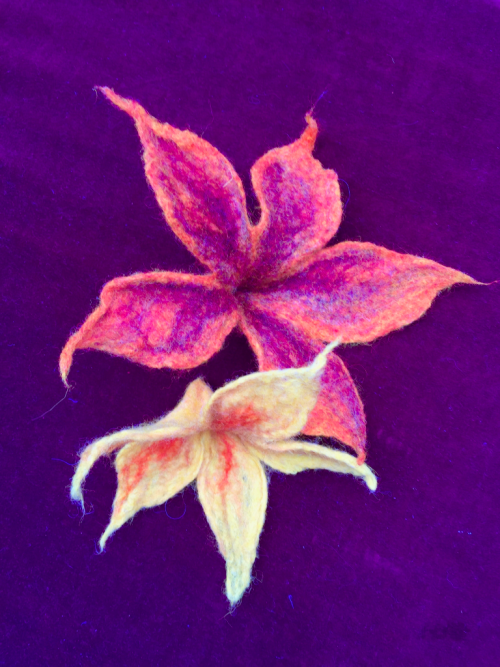

 Davisite
Leave a comment